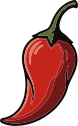
Urfa Biber
Urfa Biber, also known as isot pepper, is a medium-heat Turkish chili flake from the Urfa (Şanlıurfa) region. It delivers complex smoky, earthy flavors with chocolate, raisin, and tobacco notes and is prized in Middle Eastern cooking.
Urfa Biber is a landrace variety of Capsicum annuum traditionally grown and processed in the Urfa region of southeastern Turkey near the Syrian border. The fresh peppers resemble elongated bell peppers or poblanos, starting dark green and ripening to bright red then dark maroon. They are harvested at maturity and undergo a unique sun-drying process: dried in direct sunlight during the day and sweated at night under cloth or in bags to retain natural oils, resulting in a moist, oily texture and deep purplish-black color in the final flakes. This method imparts a distinctive smokiness without actual smoking. The spice has a medium heat level of 30,000–50,000 Scoville heat units, with a lingering warmth rather than sharp bite. Flavor is rich and multifaceted—earthy and smoky with notes of chocolate, tobacco, raisin, coffee, subtle sweetness, saltiness, and tanginess from tannins developed during processing. It is almost always sold as irregular, moist flakes and adds depth and color to dishes. A protected geographic indication in Turkey, it is a staple in local cuisine and gained wider popularity in the 2010s as an alternative to Aleppo pepper.
Gallery
No photos of Urfa Biber here yet. Got one? Share it with us.
Backstory
A centuries-old Turkish landrace pepper from the Urfa region with protected geographic indication status as 'Urfa isot pepper'. Traditional production involves labor-intensive sun-drying and sweating to develop its unique color, moisture, and complex flavor. It rose to international prominence in the 2010s as a substitute for Aleppo pepper due to regional supply issues.
Promoted products
Promote a product tied to Urfa Biber? This slot is open.
Reach out →Flavor
Complex earthy and smoky profile with notes of chocolate, tobacco, raisin, and coffee, plus subtle sweetness, saltiness, and tanginess from tannins; the sun-drying and sweating process creates depth without actual smoking.
Culinary uses
Q&A
Substitutions
Related variants
Appearance
Growing
Origin detail
Tags
Sources
Huge shout-out to the breeders, growers, researchers, and seed savers linked below — their independent work is what lets us fact-check our own. Go visit them.
These references are used to verify what we publish — not as the source of the content itself. Seed catalogs, breeder pages, research papers, and cultivar databases let us cross-check every fact before it lands here. Open any card to read the original or dig deeper.
- pepperscale.comPepperScale Urfa Biber guide with Scoville, flavor, and uses
- en.wikipedia.orgWikipedia entry on taxonomy, origin, processing, and culinary use
- thespruceeats.comThe Spruce Eats article on flavor, uses, origin, and preparation
- allrecipes.comAllRecipes overview confirming heat and origin details